Choosing The Best Alaskan Fishing Lodge For You
Choosing the Best Alaskan Fishing Lodge for your adventure should be done thoughtfully as
there are many factors to consider based on your own particular circumstances. Booking the
wrong type of trip can be at best disappointing if you don’t take into consideration the following
factors:
– Your groups health and physical capabilities
– What level of service do you expect from the lodge
– What species of fish do you want to target
– What is your budget
– How tolerant are you to change your plans
Your Groups Health and Physical Capabilities
Alaska is one of the final frontiers and any fishing trip to the state must be carefully planned out.
One of the top things you need to take into consideration is the health and physical capabilities
of your group.
If your group is made up of strapping young adults that are used to physical exertion then your
options are greater than a group that is made up of older adults that may have some health
issues. Fly fishing on remote walk-in streams and rivers is not for the physically challenged and
needs to be taken into consideration.
If your group has some physical issues then considering a lodge that provides guided trips from
comfortable boats would probably be your best bet. That doesn’t mean that those who want to
experience some remote fishing opportunities can not do so. Many lodges offer both types of
fishing, but make sure you clarify this with the lodge before you book your trip.
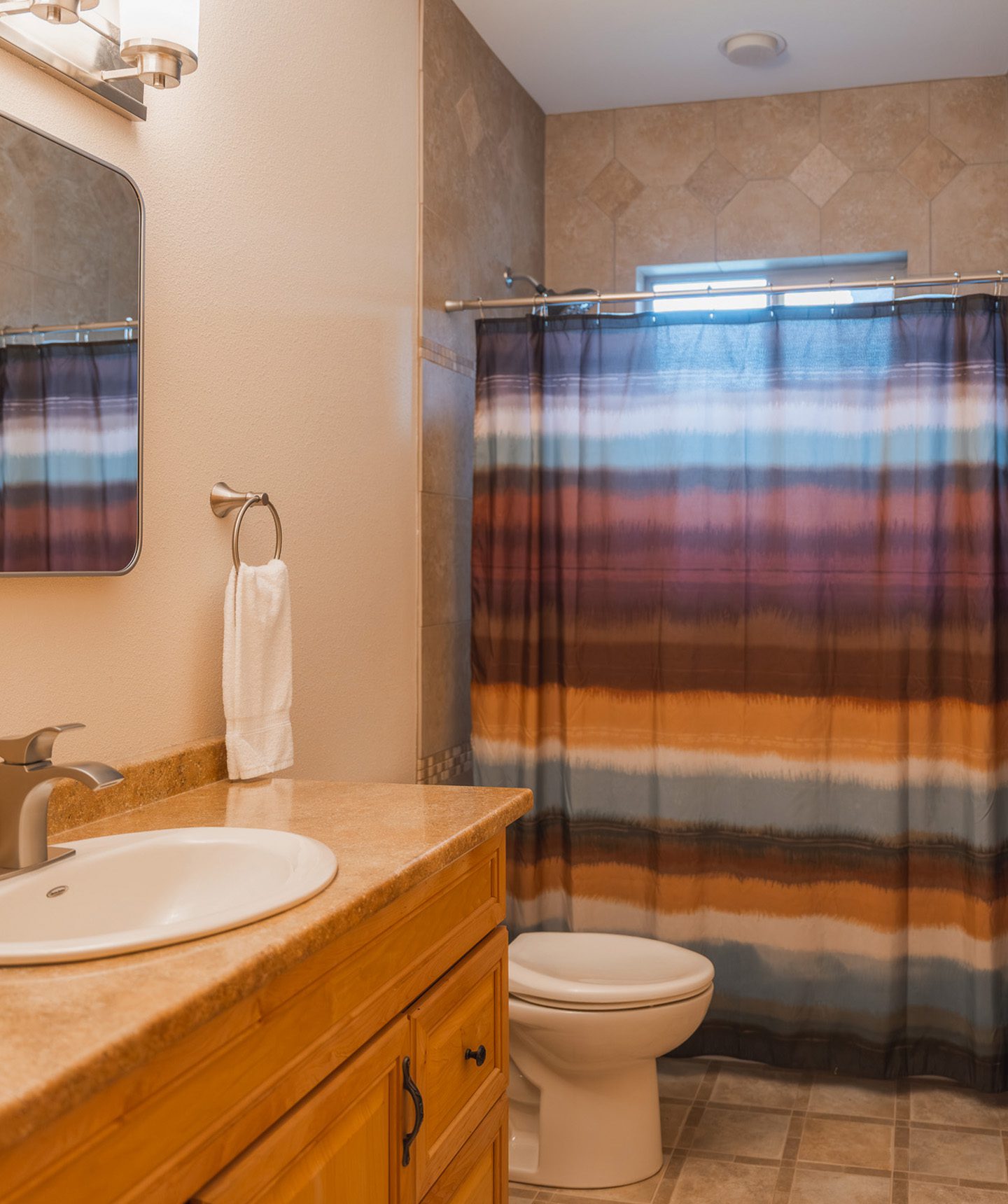
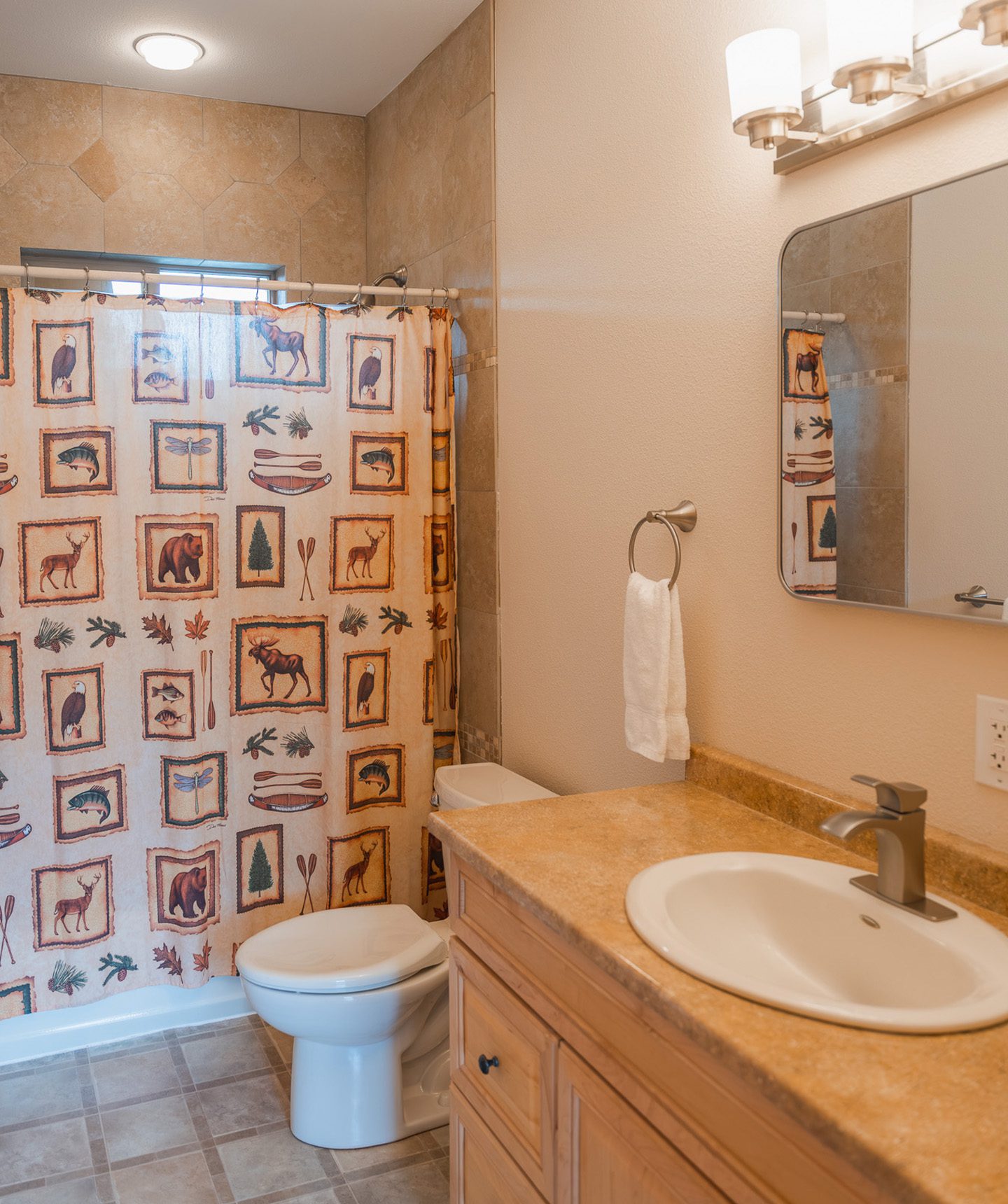
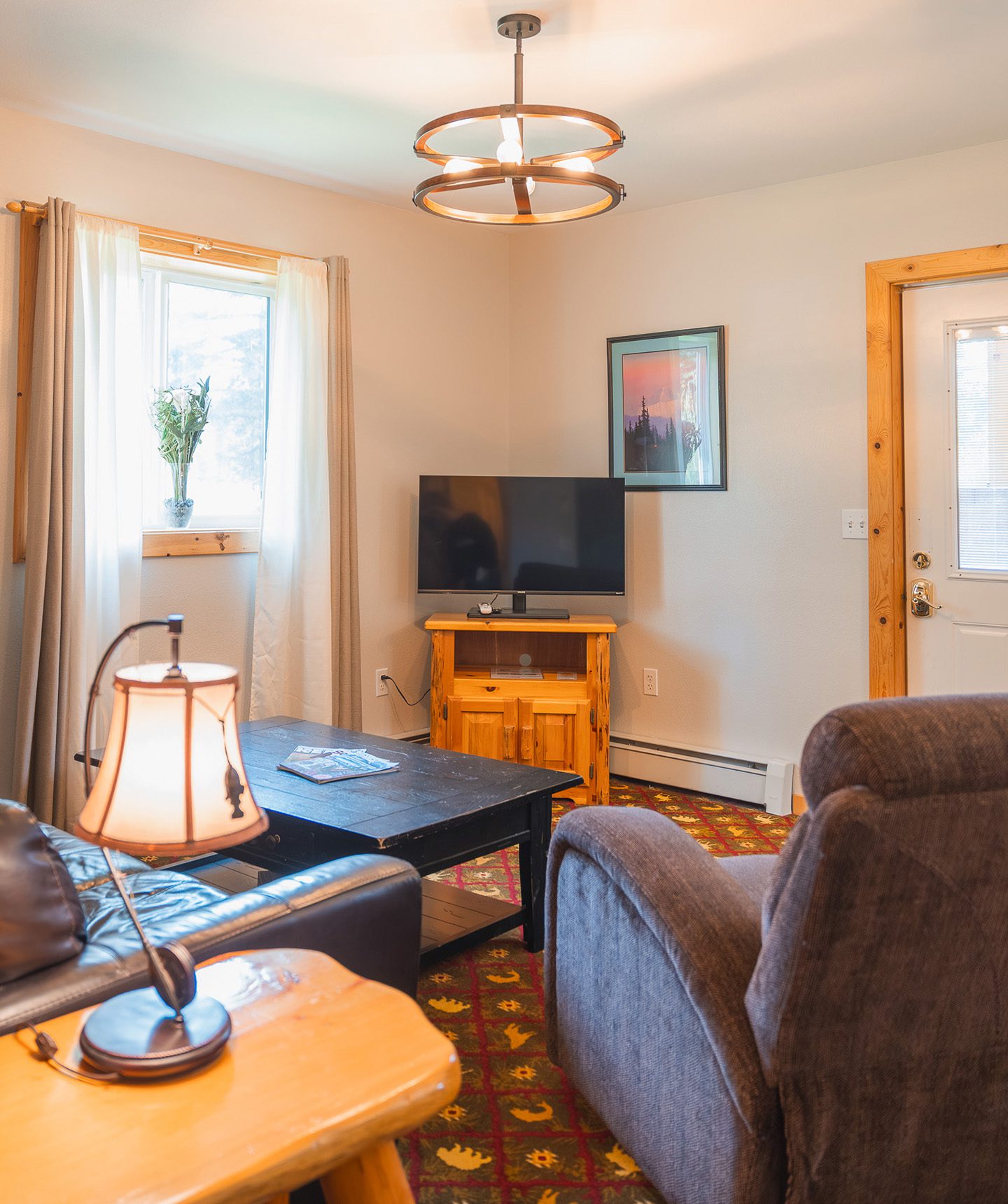
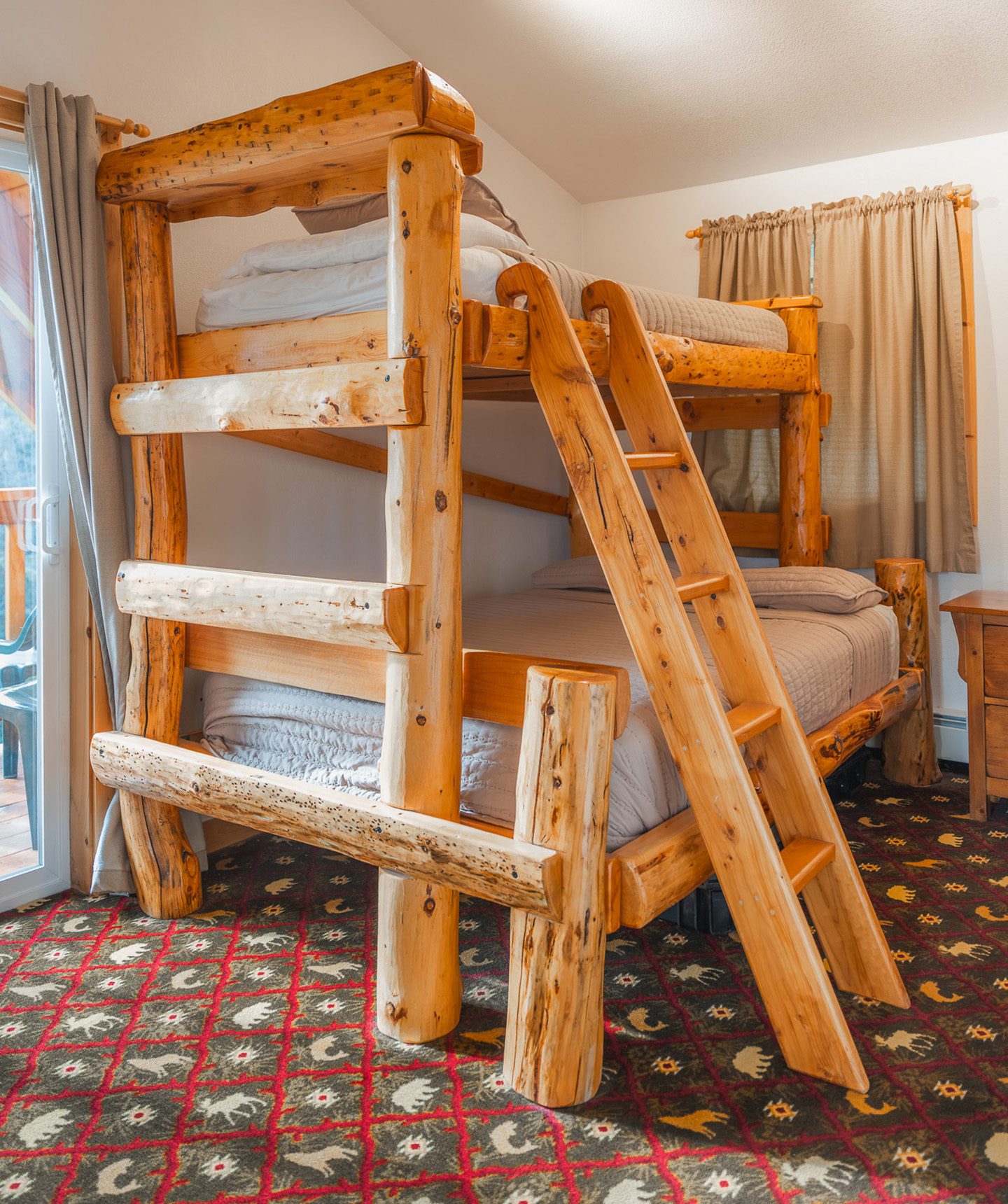
What level of service do you expect from the lodge
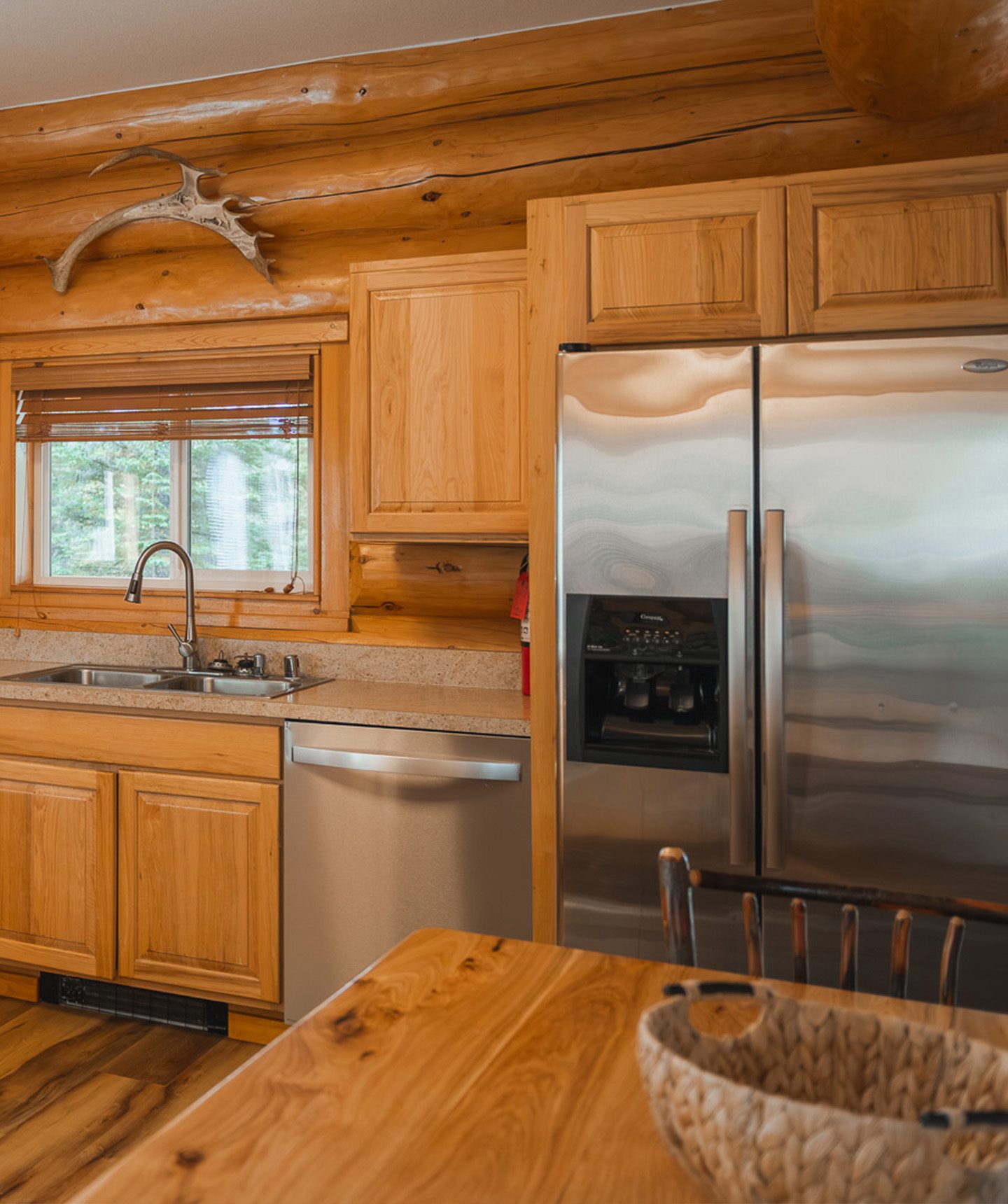
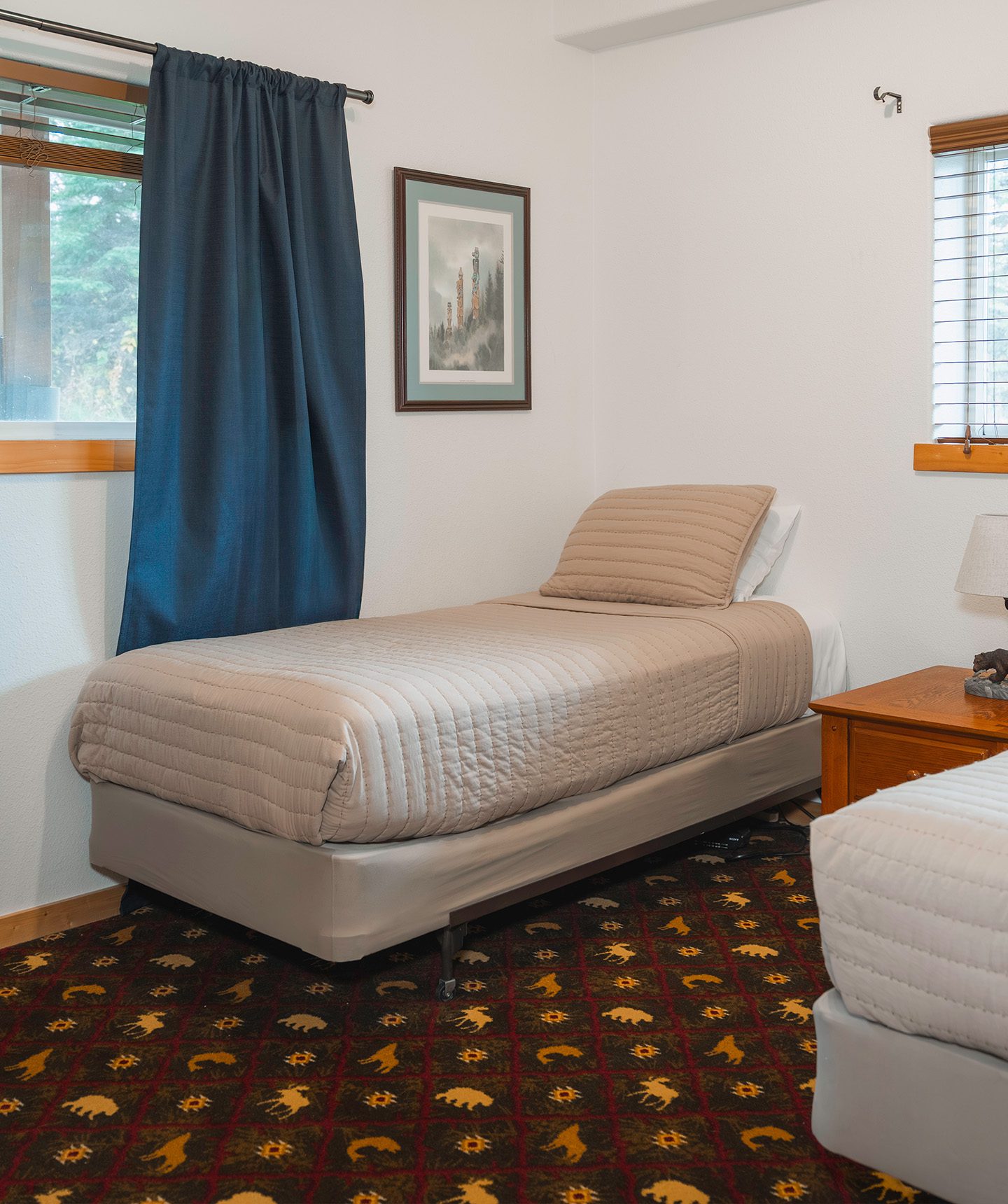
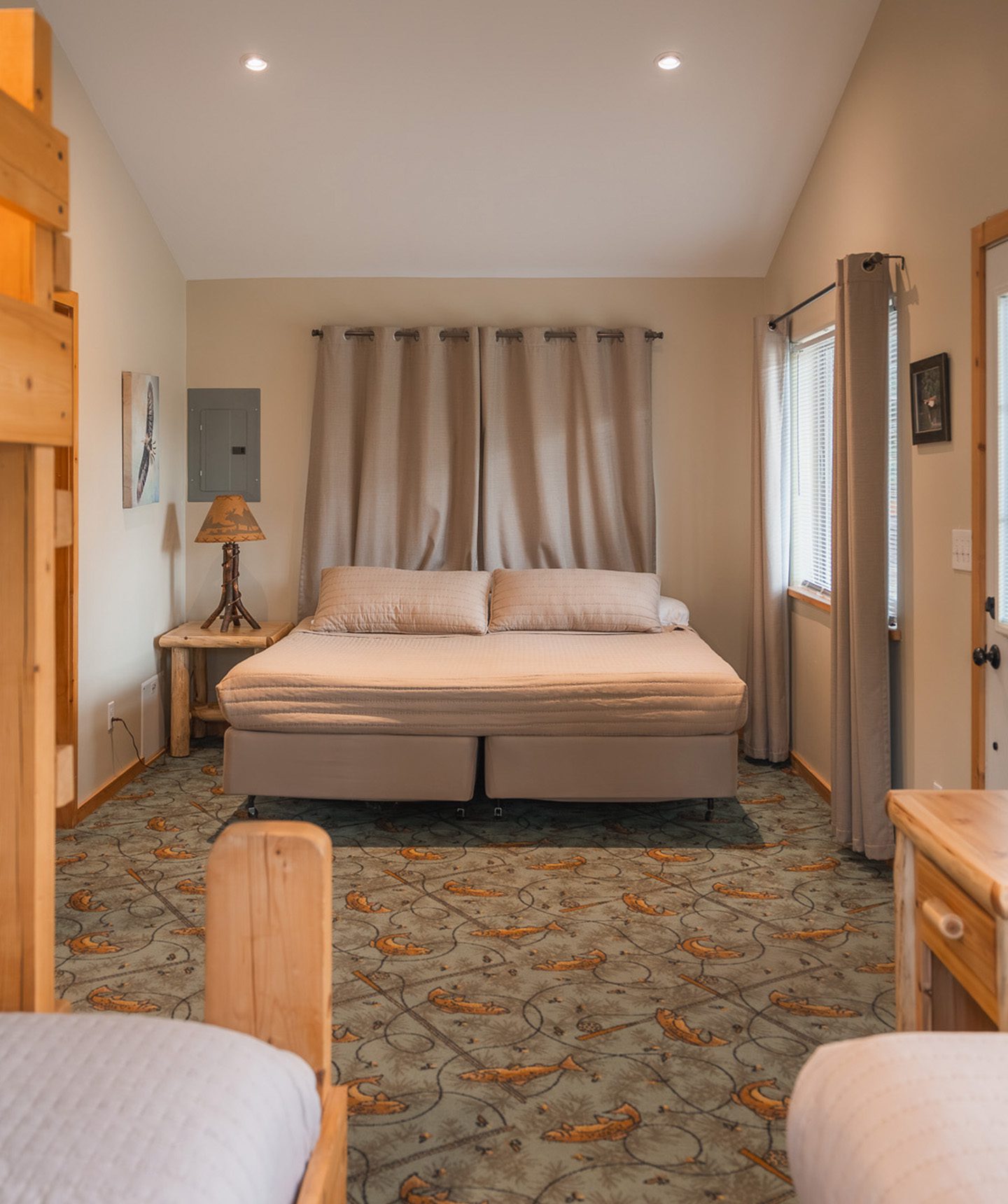
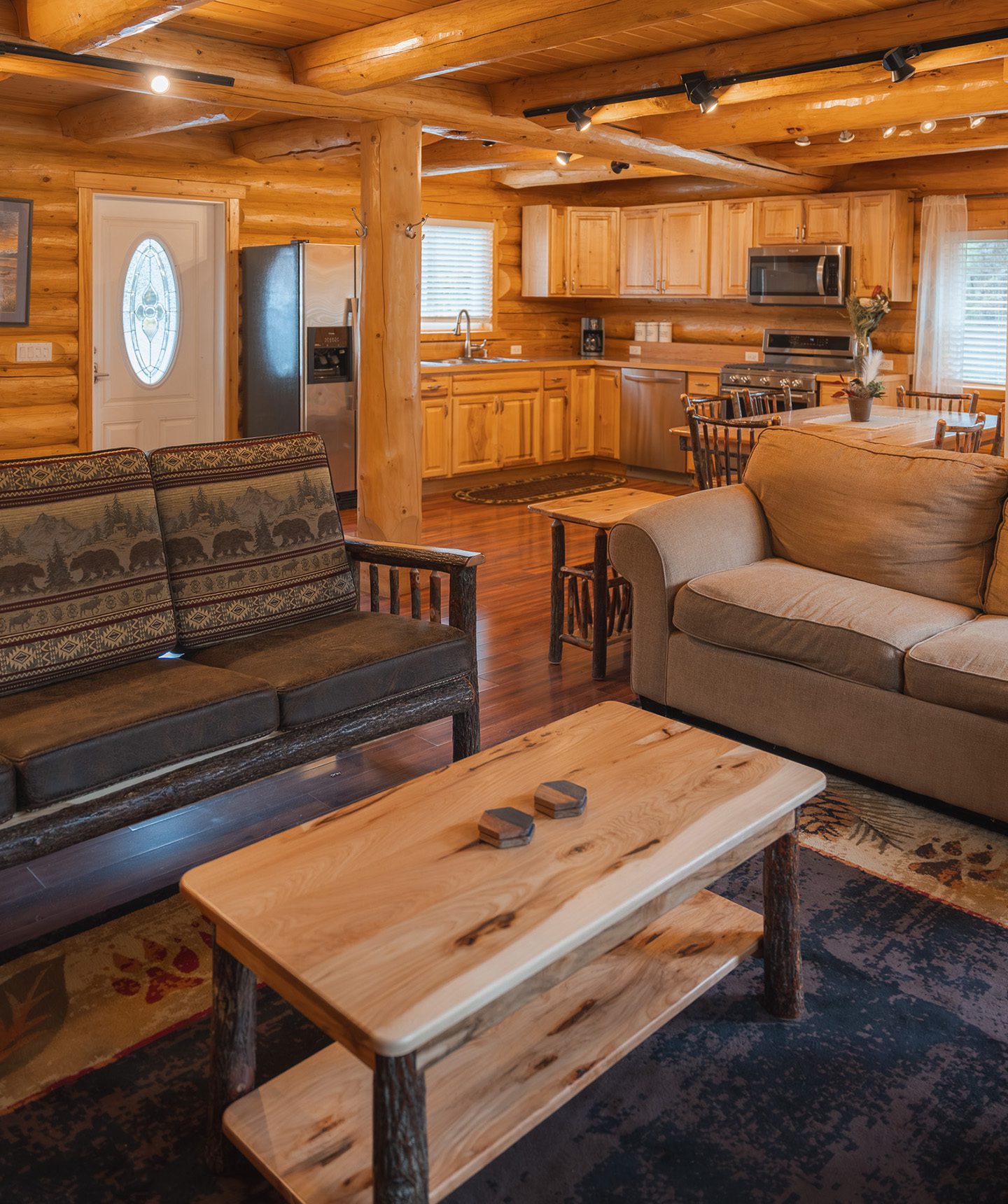
Not all lodges are created equal and nothing should be assumed when booking your trip. If you
are looking at a more remote lodge then your sleeping accommodations may be a cot and
possibly a mattress that you will throw your sleeping bag on. Other lodges provide sleep
number mattresses with room service each day. You need to make sure you understand what
the lodge offers.
Many remote lodges will only provide generator power during certain times of the day and at
night you use flashlights or they might have 12 volt lights. If someone in your group uses a
c-pac machine then the lodges without consistent power could pose a problem.
There are lodges that hire 5 star chefs and put out the most amazing meals you have ever
eaten, others provide more hearty home cooked type meals. Do you like wine or beer with
your dinner, make sure you ask if the lodge provides alcohol for its guests.
Most lodges are either considered guided lodges where licensed professional fishing guides
take you out each day and handles all the details from baiting your hook to cleaning your fish.
Other lodges provide their guests with their own boats and then go out on their own. If you are
not an experienced angler or boater then your best best is to go with a fully guided lodge. One
thing to note, it is common practice to tip your guide at the end of the trip. A 10% to 20% of
the cost of the trip is a normal trip.
What species of fish do you want to target
Make sure you discuss with the lodge the type of fish you would like to target on your trip. The
two most common species of sportfish are Salmon and Halibut. Rockfish, trout, char, pike and
other species are also available.
Don’t expect to go to Alaska and catch all the different types of fish that are found there. Halibut
and Rockfish are found in saltwater and are fairly prominent the entire season whereas Salmon
come in the waters in runs and at different times. Sometimes you can catch 2 if not 3 different
species of Salmon during the same week but you need to make sure you speak with the lodge
about the best time to come fish for specific species.
Trout, char and pike are found in freshwater. Many river lodges give you the opportunity to fish
for both Salmon and Trout and possibly some of the other species of fish. Again, make sure
you speak with the lodge about the type of fishing you would like to catch and they will
recommend the time of year to come up.
Note: In Alaska the fish run on their own calendar. You won’t catch Silver Salmon in June and
you won’t catch King Salmon in September (generally). Having a flexible schedule will give you
the best possibility to catch the fish you are after.
What is your budget
When planning your Alaska fishing adventure you need to take into consideration many other
expenses along with the price of your time at the lodge. Additional expenses you need to
consider are:
– Commercial Flights To Alaska
– Float Plane of Regional flights to get to your final destination
– Cost of Alaska Fishing License and Tags
– Cost of good quality rain gear and boots … possible waders
– Cost of fishing equipment if the lodge does not supply
– Cost of shipping your catch back to your home
– Tips and Gratuities for Guides, Cooks, Housekeepers
– Adult Beverages- Trip Insurance
– Cost to stay in hotel prior to going to the lodge
– Meals and Snacks if your lodge does not provide them
How tolerant are you to change your plans
Alaskan summers are much different than summers in places further south. Even in August
you may not experience a day with temperatures over 60 degrees. There are weeks on end
where the clouds cover up the majestic mountains and scenery that we all hear about.
Going on an Alaskan adventure is just that, it is an adventure and all adventures have
un-for-seen circumstances and events. I have been stuck in Juneau for 2 days waiting for the
fog to lift enough for us to fly out to the lodge we booked. I have been stuck at lodges and
camps 2 – 3 days extra because the weather wouldn’t allow us to get out. This is just a risk you
take when coming to Alaska and lodges will not refund guests for these days.
So Where is The Best Place To Go On An Alaskan Adventure?
Taking into consideration all the items discussed above booking a trip to fish the Kenai
Peninsula is by far the best bet for first timers to the state. The Peninsula has some of the best
Saltwater and Freshwater fishing available and it is very accessible even in the worst weather.
Huge Pacific Halibut can be caught on either side of the peninsula with fish over 200 pounds
being caught on a regular basis. We have 5 different species of salmon that can be caught in
both the saltwater and the hundreds of rivers and tributaries located here.
Getting to the Kenai is relatively easy. You fly into Anchorage which is an international hub and
commercial planes can land safely in any type of weather conditions. From Anchorage you can
then either take a regional flight to Kenai or simply rent a car and drive about 4 hours through
some of the most amazing scenery you will ever see. Many people comment that the drive to
the Kenai was the highlight of their trip.